

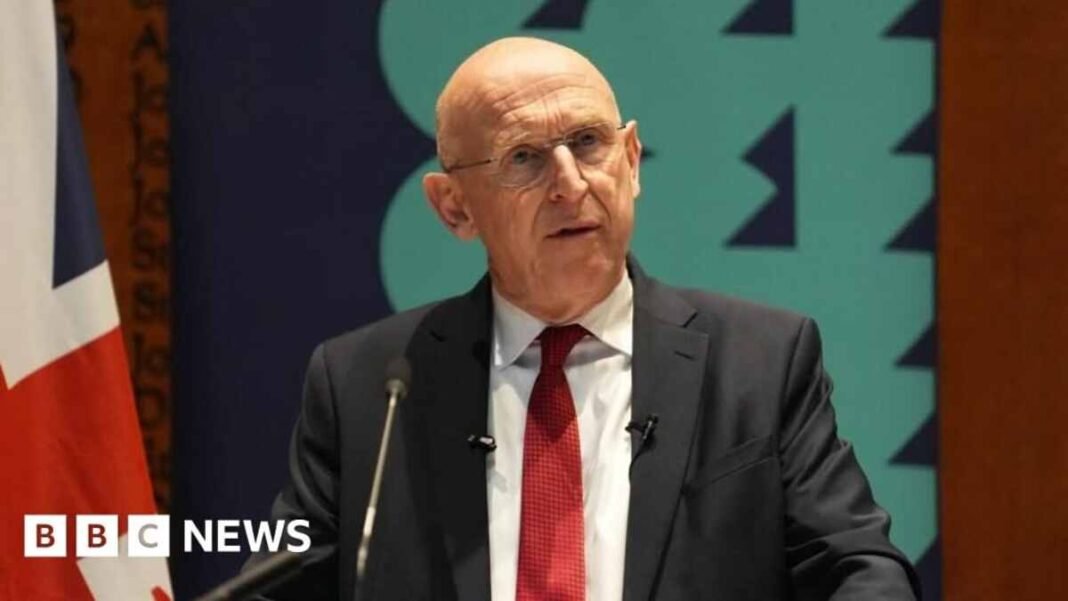
The UK Budget will be under pressure to ease the cost-of-living crisis whilst safeguarding the Treasury’s reputation. Chancellor John Healey is set to deliver some relief to consumers and businesses, with the promise of a “measure of breathing space” for communities.
Healey pointed to his maiden Budget that he announced at the International Monetary Fund’s annual meetings in Bangkok, which he said would help families while emphasizing resilience in the economy. The Budget on October 28 is seen as a chance for the government to reveal its approach to taxes and expenditures.
Household energy bills tend to be a key topic in the Budget. The government has already cut VAT on domestic electricity bills from 5% to zero, aiming to reduce costs and offer some support during the colder months. Officials estimate that this measure will cost about 850 million in the 202627 financial year.
Additional assistance is being looked at as families get ready for the upcoming rise in energy costs. It is one more extension to the Warm Home Discount that is being looked into, which assists eligible low-income households in covering their electricity costs. Details, and who might be qualified for it, have yet to be announced.
Energy prices are a significant political and economic issue because they impact household budgets and also are a key driver of business costs and inflation. Further measures could support struggling consumers, but the government will need to make choices about how to pay for this support without jeopardising wider financial planning.
Healey has emphasised that any relief measures also need to comply with the government’s fiscal rules, which aim to keep the public finances on a sustainable footing and protect investor and market confidence.
It’s a tough task The Reuters survey published on 15 October of economists forecast that the Chancellor would revive the government’s fiscal headroom to about 15 billion to 16 billion. The headroom had shrunk from about 23.6 billion in March to about 10 billion to 12 billion and was tight to begin with leaving less room for economic shocks or extra spending.
Having a narrow financial cushion means that a comparatively small help package will probably need difficult choices on other elements of the Budget. The Chancellor might opt to redirect some existing departmental spending, to make some changes to specific taxes or to create narrowly focused help rather than broader relief.
Ask departments to operate within existing departmental spending plans and direct them to identify spending on services or budgets that can be reprioritised, Healey has suggested. This would enable ministers to back selected priorities without additional significant spending.
The Chancellor’s pledge extends beyond households. Businesses, which are facing higher costs, uncertain demand, and unpredictable economic conditions, are seeking greater clarity about taxation and government support.
Costs like energy prices, borrowing costs and labour costs can be more sensitive for small businesses. Measures that allow for costs to be more predictable may assist business to plan investments, retain employees and smooth cash flow.
