

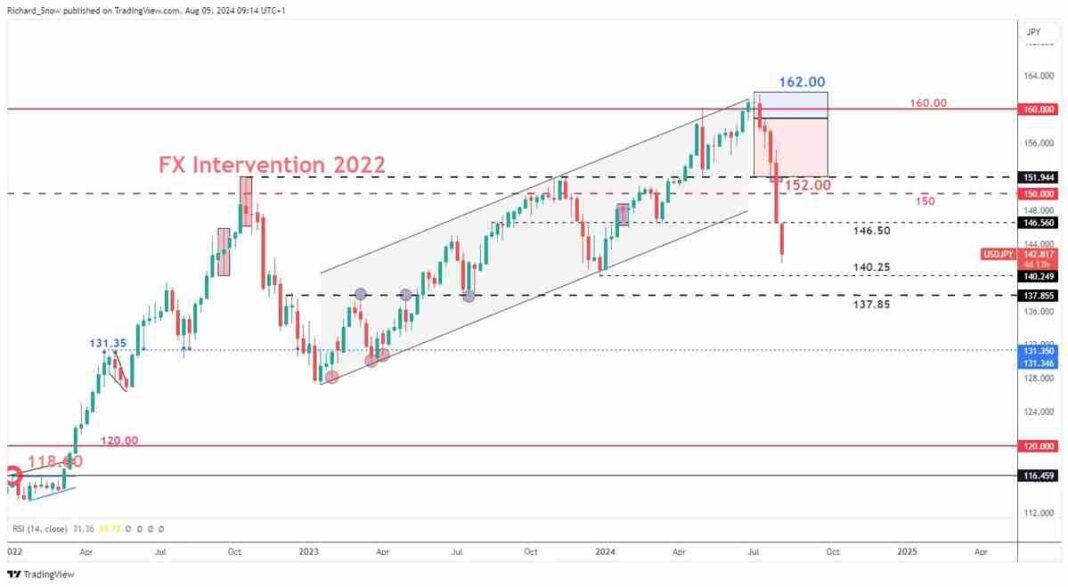
A dramatic shift is unfolding across global financial markets as fund managers rapidly increase cash allocations, signaling rising uncertainty driven by inflation concerns and escalating geopolitical tensions. What was once a market fueled by optimism around growth and technology is now being reshaped by caution, risk aversion, and defensive investment strategies.
In March 2026, global fund managers made one of the sharpest moves toward cash seen in recent years, with allocations rising significantly in a short period. Surveys tracking institutional investors show cash levels jumping to over 4 percent of total assets, marking the fastest increase since the COVID-19 crisis. This shift reflects a clear change in sentiment, as investors move away from risk-heavy assets like equities and toward safer, more liquid positions.
At the heart of this transformation is a combination of geopolitical instability and inflationary pressure. The ongoing conflict involving Iran and its ripple effects on global oil supply have pushed energy prices sharply higher, increasing fears of sustained inflation. Oil price spikes above key thresholds have not only disrupted supply chains but also raised concerns about consumer spending and economic growth worldwide.
This environment has revived fears of stagflation, a scenario where economic growth slows while inflation remains high. According to recent market surveys, more than half of fund managers now expect such conditions to dominate the global economy in the near term. This is a particularly challenging situation for investors because traditional strategies often struggle to perform well when both growth and purchasing power are under pressure.
As a result, portfolio strategies are being rapidly adjusted. Fund managers are reducing exposure to cyclical sectors such as banking and consumer discretionary while increasing allocations to defensive areas like commodities, energy, and consumer staples. The surge in energy fund inflows highlights this trend, with billions of dollars moving into oil and commodity-linked investments as a hedge against geopolitical risk and inflation.
Another key factor influencing this shift is the growing perception that markets may be underestimating the scale of geopolitical risks. Central banks, including the European Central Bank, have warned that current market pricing does not fully reflect the potential for sudden disruptions caused by global conflicts. This has added urgency to the move toward safer assets, as investors prepare for possible shocks that could trigger rapid market corrections.
Interestingly, while fear is clearly influencing market behavior, the shift to cash does not necessarily indicate panic. Many fund managers are adopting a tactical approach, holding higher liquidity to remain flexible and ready to re-enter markets when conditions stabilize. This strategy allows them to respond quickly to new opportunities while minimizing exposure to short-term volatility.
The broader implication of this trend is a changing investment landscape where risk management is taking precedence over aggressive growth strategies. The dominance of themes like artificial intelligence and high-growth tech stocks, which defined earlier market optimism, is now being challenged by more traditional concerns such as inflation, commodity prices, and geopolitical stability.
At the same time, some areas of the market continue to show resilience. Emerging markets and specific regional equities are still attracting interest, suggesting that investors are not entirely retreating but rather becoming more selective in their approach. This selective optimism indicates that while caution is rising, confidence in long-term growth has not completely disappeared.
Looking ahead, the trajectory of global markets will largely depend on how these macroeconomic pressures evolve. If geopolitical tensions ease and inflation stabilizes, risk appetite could return quickly. However, if uncertainty persists, the current defensive positioning may become a defining feature of the investment environment in 2026.
