

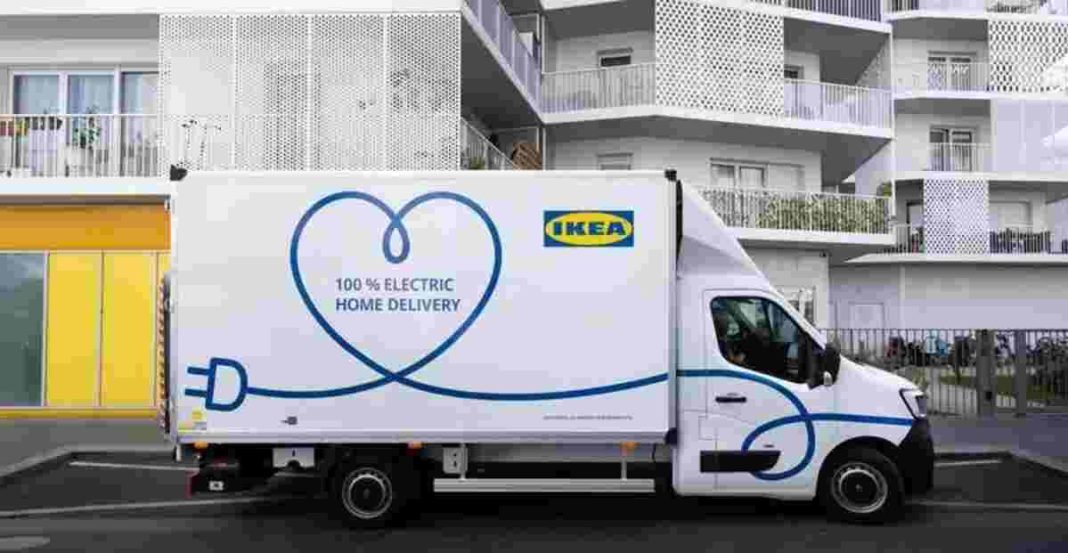
IKEA is accelerating the expansion of its electric vehicle delivery fleet across Europe as part of its broader push toward carbon-neutral operations. The global furniture giant is rapidly replacing diesel-powered delivery vans with electric alternatives in major European cities, signaling a decisive shift in how large retailers approach last-mile logistics. This move positions IKEA as one of the most aggressive adopters of clean delivery solutions in the retail sector.
The expansion is focused primarily on urban and high-density markets where home delivery demand is strongest. Cities such as Paris, Berlin, Amsterdam, Madrid, and London are seeing a sharp increase in IKEA-operated EV delivery vehicles. The company aims to make all customer deliveries emission-free in these locations, responding to both environmental regulations and growing consumer expectations around sustainability.
A key driver behind this initiative is Europe’s tightening emissions standards. Many European cities are introducing low-emission zones and planning future bans on fossil-fuel-powered commercial vehicles. By transitioning early, IKEA is not only future-proofing its logistics network but also avoiding regulatory disruptions that could impact delivery timelines and costs. Electric fleets allow IKEA to operate freely within restricted zones while maintaining service reliability.
Cost efficiency is another important factor. While electric vehicles require higher upfront investment, IKEA expects long-term savings through lower fuel costs, reduced maintenance, and extended vehicle lifespans. With delivery volumes steadily increasing due to online furniture sales, optimizing last-mile delivery economics has become critical. Electric vehicles provide predictable operating costs, which helps IKEA manage large-scale logistics more effectively.
IKEA is also partnering with regional logistics providers to accelerate adoption. In markets where third-party delivery services are used, IKEA is encouraging partners to transition to electric fleets by offering long-term contracts and shared sustainability targets. This approach allows the company to scale EV usage faster without relying solely on in-house logistics operations. It also pushes sustainability standards across the broader delivery ecosystem.
Charging infrastructure has been a central part of the rollout strategy. IKEA is investing in on-site charging stations at distribution centers and stores across Europe. Many locations are integrating renewable energy sources such as solar panels to power charging systems, further reducing the carbon footprint of deliveries. This infrastructure investment ensures operational continuity while supporting IKEA’s long-term climate commitments.
The shift to electric delivery fleets is closely aligned with IKEA’s climate roadmap, which includes becoming climate positive and reducing emissions across its entire value chain. Transportation and delivery represent a significant portion of retail emissions, especially for bulky products like furniture. By electrifying deliveries, IKEA addresses one of the most challenging aspects of sustainable retail operations.
Customer response has been largely positive. European consumers are increasingly conscious of how products reach their homes, not just how they are made. IKEA’s ability to offer low-emission or zero-emission delivery options strengthens brand trust and aligns with the values of environmentally aware shoppers. In some markets, IKEA is also experimenting with eco-delivery labels that highlight sustainable shipping choices at checkout.
Operational performance has also improved in certain regions. Electric delivery vehicles perform well in stop-and-go urban traffic, offering quieter operation and smoother handling. Drivers report reduced fatigue and improved driving experience, which contributes to higher job satisfaction and lower turnover. These operational benefits support IKEA’s broader workforce and efficiency goals.
Looking ahead, IKEA plans to continue expanding its electric delivery footprint into smaller European cities and suburban areas. As battery technology improves and charging infrastructure becomes more widespread, the company expects EV deliveries to become the default rather than the exception. IKEA is also exploring electric cargo bikes and smaller EVs for ultra-dense city centers where traditional vans face access limitations.
IKEA’s accelerated adoption of electric delivery fleets reflects a larger shift in European retail logistics. By combining regulatory readiness, cost efficiency, and sustainability leadership, IKEA is setting a benchmark for how large-scale retailers can transform last-mile delivery. The initiative demonstrates that environmental responsibility and operational performance can move forward together in modern commerce.
