

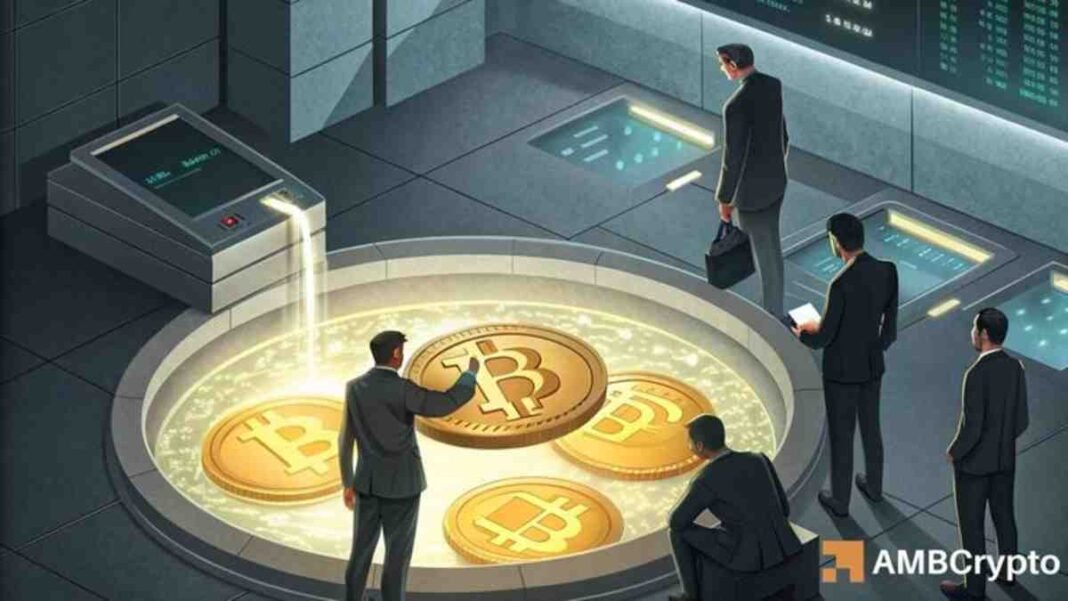
Digital assets, a rapidly changing area, had yet another unexpected twist when the two leading cryptocurrency exchanges Binance and Bybit, abruptly scrapped their plans for allocations related to SpaceX tokenized shares. The move came after a depletion in the supply of available tokenized equity, thereby revealing not only the rising appetite for alternate investment products but also the difficulty of integrating private market assets into the blockchain ecosystem.
Among the ground-breaking developments in financial technology tokenized shares stand out as one of the most unconventional ones. By the digital conversion of ownership stakes in conventional assets, i.e. into tokenized forms on the blockchain, issuers aspire to offer investors a much simpler access, stronger liquidity, and higher degrees of flexibility. Ideally, tokenization makes it possible for people to indirectly invest in assets that would otherwise be out of their reach through the normal investment channels.
The hype around the SpaceX-themed investment assets has been exceptionally high. Space Exploration Technologies Corporation (SpaceX), founded by the renowned entrepreneur Elon Musk, has become the main private company with valuation. Thanks to its commercial spaceflight, satellite launching, and reusable rocket developments, the company has enjoyed a tremendous wave of popularity among those investors who want to have a piece of the rapidly expanding space market.
As SpaceX is still a private company, the average investor is more or less excluded from having a direct stake in the company’s expansion. This has opened up the possibilities for other types of investment tools, including the buying and selling of tokenized shares of private companies. Apart from better accessibility, these types of financial instruments are expected to usher in the advantages of blockchain technology, like simplified record-keeping and trading.
In reality Binance and Bybit reportedly backed out completely from this deal shows us one of the biggest hurdles when it comes to tokenized assets, which is having a strong enough supply of the underlying assets. Share restriction, ownership rules, transfer limitations availability etc. are some of the characteristics of private company shares rather than the ones that are publicly traded. The creation of these tokenized assets should take into consideration both the share structure and the regulatory landscape.
The deficit was most probably detected when investor demand shot up well above the quotas. Following the growing presence in the international space, satellite, and commercial aerospace sectors, the company has become a magnet for investors who want to take advantage of the breakthroughs in the world of private technology companies, Mostly when they realize that, through the normal investment routes, they would only get limited access.
Leading experts in the domain emphasize that tokenized assets represent a new step in the evolution of digital finance. Even if industry leaders acknowledge that blockchain technology and its applications in the financial markets represent a sea change, at the same time, they are fully aware that a number of important issues still remain unresolved. These matters include regulatory compliance, custody arrangements, transparency requirements, and the determination that tokenized assets uphold true ownership rights.
Since then, people already have been talking about tokenized securities. Some have expressed their belief that blockchain-based financial products might open to the masses larger part of investment opportunities only available so far to institutional investors and the well-to-do, mainly by creating lower barriers for entering and offering fractional ownership, successfully enabling an increase in participation in private markets.
However, detractors take a more skeptical view of tokenized assets, pointing out this case as an example of an incomplete industry that still faces substantial challenges. Issues for liquidity, asset verifiability or rights, and investor safeguards continue to be major points of debate both among regulators and market players as they work toward the definition of the sector’s sustainability in the future.
